Signs Your Dog Is Aging: What to Watch For in Senior Dogs
While this is certainly not a topic any of us like to think about, paying attention to changes in your dog’s behavior could, literally save his life!

Is Your dog Trying to Tell You Something?
Our dogs don’t have to be able to talk to let us know things are changing, we just have to pay attention.
The thing is, many senior dog parents assume the changes they’re seeing are just natural signs of aging so don’t always contact the vet. While they are the result of aging, it doesn’t mean they aren’t sometimes signs of a bigger issue.
Catching changes before they become full blown problems is the best way to keep our dogs as happy, healthy and comfortable as possible.
Have You Noticed Any of These?
Don’t panic if you’ve noticed any of the physical or mental signs listed below.
The first thing I recommend is a visit to the vet. It’s a good idea to bring a urine sample with you, since a thorough checkup usually requires one. It’s also a lot easier to bring one than get your dog to pee on demand!!
Next, make a list of all the changes you’ve noticed. If possible, write when they started, if anything else was going on in the home at the time and any other pieces of information you can think of. It doesn’t matter if you think it’s something tiny not worth mentioning. It can all help your vet with a diagnosis.
Physical signs
- Greying around the face and muzzle
- Frequent peeing or straining to pee
- Less responsive
- Cloudy eyes
- Incontinence (urinary and/or fecal)
- Bumps into things
- Spends more time on his bed
- Change in eating habits
- Stiffness when walking
- Hard time getting up, or lying down
- Bad breath
- Cloudy eyes
- Changes in skin or coat
- Lumps and bumps
- Ignores you when called
- Startled when you approach
- Weight gain
- Weight loss
- Lethargic
Here are 3 examples of what the above signs could mean.
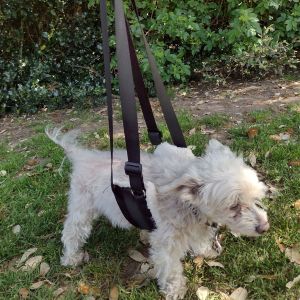
🐾If your dog has a hard time getting up and lying down and is spending more time in his bed, it’s quite likely he has arthritis or other joint issues. Pain relief medication, turmeric golden paste, New Zealand Green Lipped Mussels, a lifting harness or sling, acupuncture and laser treatment are just some of the options that can make a huge difference for your dog.
🐾Cloudy eyes and bumping into things means some kind of vision issues…sorry if that was obvious. That does not mean your dog will lose his sight, but it does mean a referral to an eye specialist. You may have a wonderful vet like I do, but they just don’t have the experience or equipment to properly diagnose or treat eye problems.
🐾Peeing more often can mean kidney issues or diabetes, or it could simply mean a urinary tract infection (UTI).
Mental signs
- Lost interest in doing things he used to love
- Confusion or disorientation
- Forgetting commands or cues he used to know
- Seems anxious
- Fear of familiar people or objects
- Accidents in the house
- Wanders
- Aggressive
- Barks more or howls
- Changes in sleep patterns - sleeps more or not as much
Most (not all) of the signs in this section could indicate dementia. There is no test to diagnose dementia, rather it’s a process of elimination.
Here are links to some articles I wrote about this issue, which you will find helpful. I also include a list of treatment options and a checklist to help you and your vet determine if your dog has dementia.
A Comprehensive Guide to Dog Dementia
Does You Senior Dog Have Dementia
My Life as a Dog With Dementia
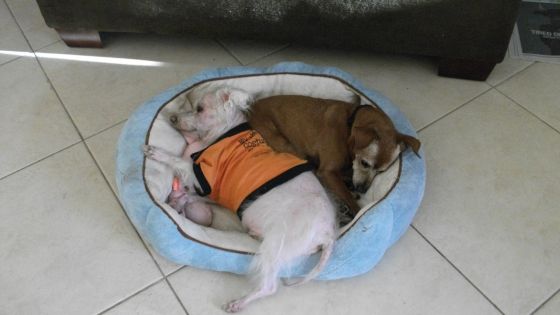
Remember. Even if you notice some or many of these signs, it doesn’t mean there’s a reason to panic. A trip to the vet will, at the very least, help alleviate your concerns, and possibly catch a problem in the very early stages.
What kind of signs have you been seeing in your older dog? Do you have any tips that are helping your dog stay more comfortable? Why not share them here, we’d love to read them!
1:1 Senior Dog Care Support Service
As dogs age, their needs change — and caregiving can
become more complex and emotional.
Whether you’re navigating mobility changes, quality of
life concerns, or the weight of ongoing care, I offer personalized support to
help you through it. Let’s make this stage feel more manageable for both of
you.
You don’t have to go through this alone — learn more here.
If you have any questions please email me hindy.greypawsandall@gmail.com


Comments
Post a Comment