Senior Dog Health 101: How to Keep Your Aging Pup Happy & Strong
There’s nothing like sharing your life with a senior dog, especially if you rescued one! They bring unique joys and a calming presence, but can also bring challenges. Vet visits become more frequent, and health issues may arise requiring extra care. It's tough, but their love makes it worth it.

When is a Dog Considered Senior?
"Senior" isn’t a one-size-fits-all term. For example, a small dog may be considered a senior at around 10-12 years old, while a larger breed at 6-8 years.
Being Proactive is Key to a Longer, Happier and Healthier Life
Being proactive is crucial, because early detection of age-related issues can greatly improve their quality of life. Twice yearly vet checks (more often if a health issue needs monitoring), a diet tailored to your dog’s needs and regular exercise are key.
It’s also important to notify your vet of any changes in behavior, no matter how slight they may seem. A condition caught early has a better chance of being treated or at least managed.
1. Recognizing the Signs of Aging
- Some of the signs you may start to notice include:
- Walking slower/stiff/trouble getting up
- Graying fur, especially around the muzzle
- Changes in appetite and/or weight
- Vision or hearing issues
- Sleeping more or restless at night
2. Senior Dog Nutrition
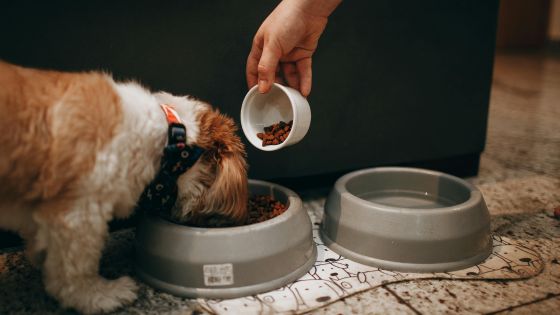
I always talk about what a minefield this whole topic is, with some experts claiming X brand is the best, while others claim Y is. What’s best for one dog isn’t best for every dog, so I like a more personalised approach.
The best advice I can give you about nutrition is...do your research. Learn about the different types of dog food available, what the ingredients mean, what diet is best suited to your dog taking into account health issues. Once you have a better understanding, have a chat with your vet, and perhaps even a holistic vet and pet nutritionist. It's the best way to make an informed decision.
3. Senior Dog Mobility Tips
If your dog is experiencing mobility issues, please make sure he sees the vet. Once the problem is diagnosed, a treatment plan can be put together. A canine physiotherapist could also be helpful.
Keeping senior dogs active is not only important for their physical health, but also for their mental well-being. Short walks and swimming are a couple of great low impact exercises.
Senior dogs can be quite unsteady on their feet, and slippery floors are a hazard. Non slip rugs, interlocking foam mats and yoga mats are a huge help. Ramps for getting in and out of the car and pet steps for access to furniture are a big help, especially if your dog is too heavy to lift!
To ensure your senior dog always has access to clean fresh water, set up a few bowls around the house. This way he won’t have to walk far for a drink.
4. Senior Dog Vet Visits
Twice yearly checkups are recommended, more often if your dog is dealing with a health condition that requires more frequent monitoring.
The visit will include a chat with you to see how things are going, a physical check (including teeth and gums), bloodwork and urinalysis. Other testing may be required, depending on health concerns or an ongoing condition that requires monitoring.
5. Managing Pain & Arthritis in Senior Dogs
Signs you’ll see that indicate your dog is experiencing discomfort if not outright pain include limping, stiffness and difficulty standing.
Thankfully there are lots of ways to manage pain which include prescription medication, natural supplements, massage, laser therapy, acupuncture and hydrotherapy. Keeping your dog at a healthy weight will also help.
6. Senior Dog Mental Health & Cognitive Well-Being
Confusion, forgetting housetraining, not being able to figure out how to eat, getting stuck under tables and circling are just some of the signs your dog is experiencing cognitive decline. Referred to as dementia, it also causes anxiety and although the condition is not painful for dogs, speaking from experience I can tell you, it’s very stressful for everyone.
Mental stimulation is so important for dogs of all ages, especially senior dogs. Puzzle toys, changing the routes you walk and even training are great ways to keep the brain active. It also staves off boredom, and tires them out so they sleep better.
7. Grooming & Hygiene for Aging Dogs
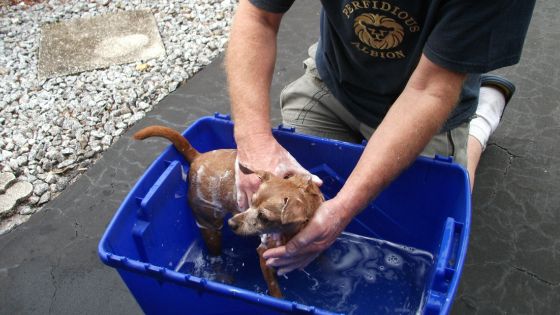
Just because a dog is getting on in years, doesn’t mean grooming should fall by the wayside. A bath, nail trim, ear and eye cleaning are as important as they ever were.
Having said that, going to the groomer may become stressful as a dog ages due to painful joints, vision problems and general anxiety. There’s a lot your groomer can do to make the experience more comfortable such as…
Breaking one long session up into two or three shorter ones
Grooming your dog while he or she is lying down
Making sure there’s a non skid mat in the bathtub
If the whole experience has become a nightmare, either find a groomer that can come to your house, or take over some of the grooming duties yourself.
8. Creating a Senior-Friendly Home
There are so many simple ways to make your home more comfortable for an older dog.
Here are a few:
- Ramps and stairs for easier access to the furniture
- Yoga mats or interlocking foam/rubber mats to prevent slipping
- Adjusting the height of food and water bowls
- Putting water bowls and beds in more than one room
- Trying an orthopedic bed or one with a firmer pillow
- If your home is on the cooler side, putting a sweater on your dog
Conclusion
Every day with a senior dog is a treasure. By embracing their golden years with love and care, we repay the unconditional devotion they’ve given us for a lifetime. 💛🐶
What do you do to keep your senior dog happy, healthy and comfortable? Sharing helps others so leave your tips below.
1:1 Senior Dog Care Support
Struggling
with Senior Dog Care? I Can Help!
As dogs age, they need extra care and attention — and so do the people caring for them. From mobility changes to quality of life concerns and the emotional weight of caregiving, I’m here to support you through it. Together, we’ll help you feel more confident, supported, and less alone.
Learn more
here, or
if you have any questions, please email me


.JPG)
Comments
Post a Comment